We’re Here 24/7 — Speak With a Live Houston Agent Anytime:  346-360-4444

We’re Here 24/7 — Speak With a Live Houston Agent Anytime: 346-360-4444
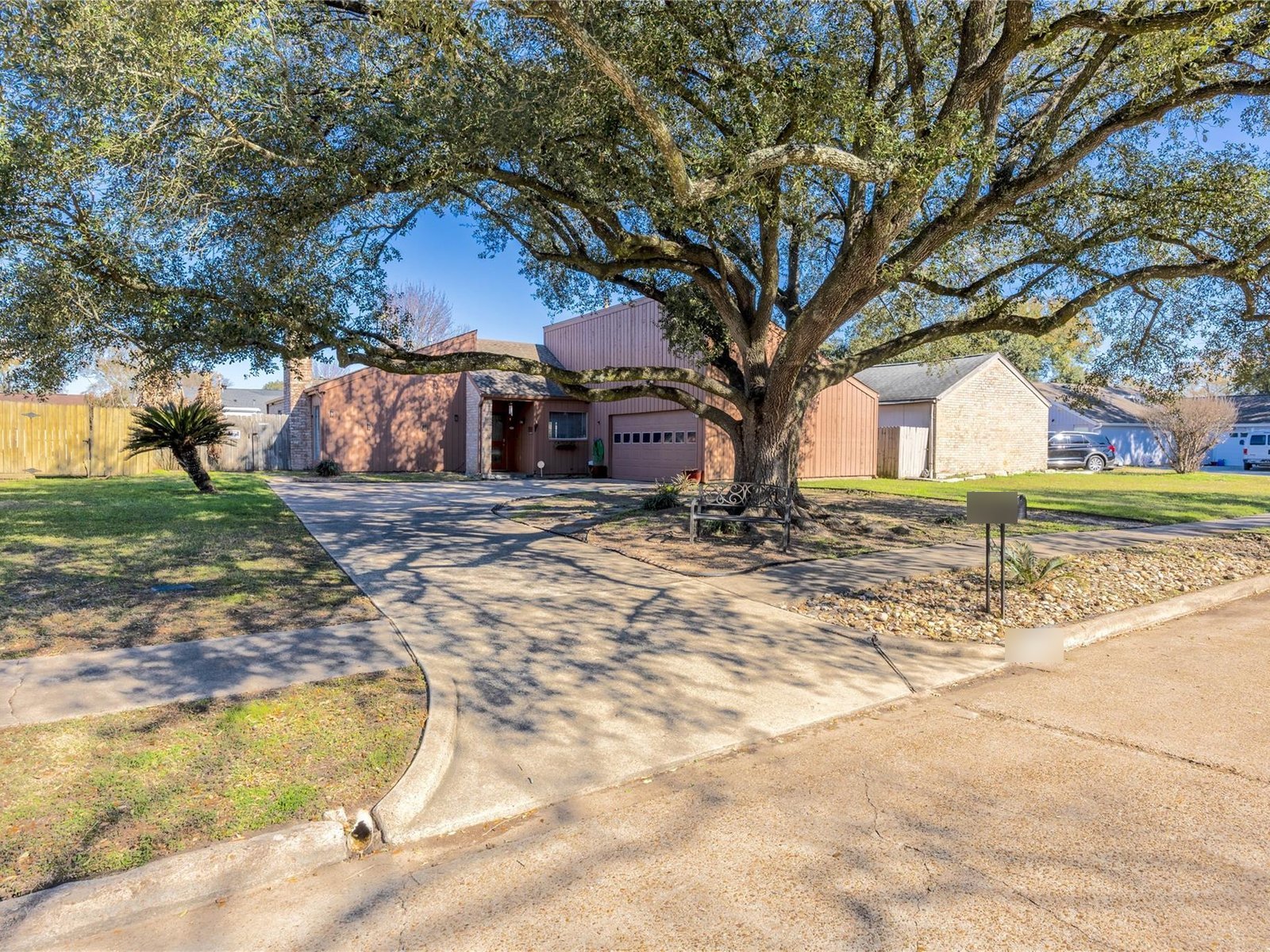
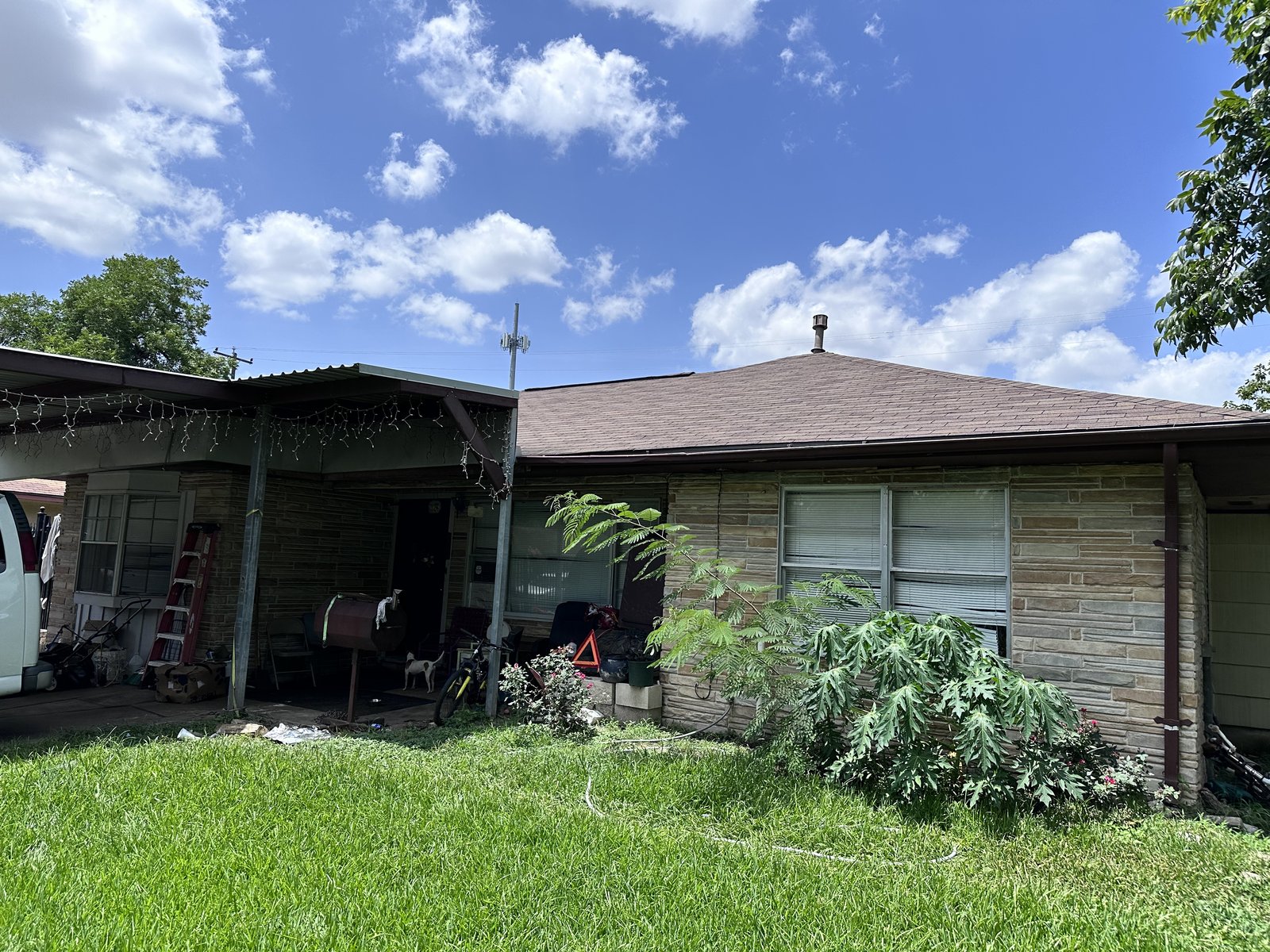
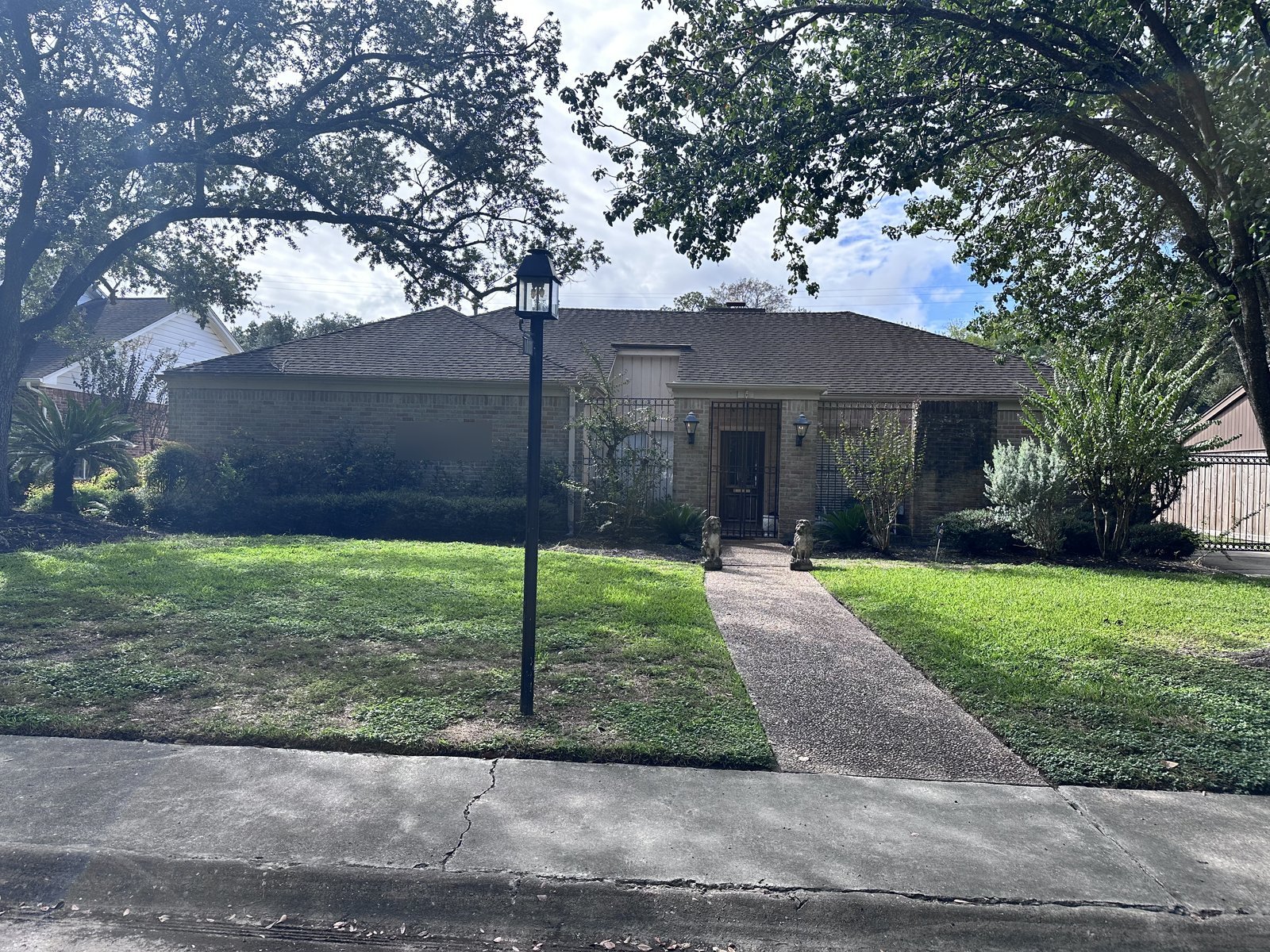
Shadowdale Drive runs through Spring Shadows, one of the larger subdivisions inside Spring Branch on Houston’s west side, where the houses went up in a single long stretch and the street trees have had half a century to close over the roadway. This one had stopped being a home a long time before we saw it. The owner had died, the house passed to heirs who lived in other states, and from that distance the easiest thing to do with it was nothing. Nothing is what happened, for years. By the time the family decided to deal with it, they were the owners of a house they had not walked through in a very long time, in a city none of them lived in, with a tax account that had kept running the entire time. They called Volcan Property Buyers, cash home buyers in Houston, and we closed in 28 days without a single one of them needing to fly down.
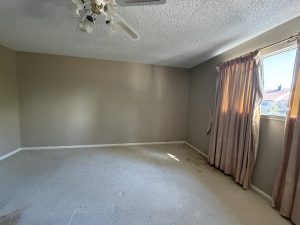
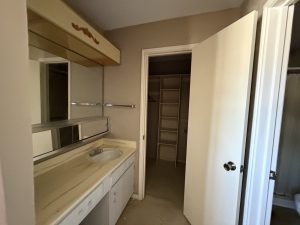
Inside, the house told the story plainly. The living room had been stripped to bare slab, dust and stains where flooring used to be, an extension cord snaking across the floor to a shop vacuum somebody had abandoned mid-job. Faded dusty-pink drapes still hung at the windows over sheer panels gone grey. In the bedroom the carpet was stained and littered, the ceiling fan a 1980s brass-and-white fixture. The kitchen was the worst of it — original cream cabinets yellowed with age, a base cabinet door hanging open on a rotted floor beneath the sink, debris across the tile, a few groceries left on the counter by whoever was last there. Underneath all of it, the slab had moved.
Distance was the real obstacle. Selling a house you cannot see, in a state where you do not live, means everything has to be done by someone else or not at all. Cleaning out a house that has sat for years is a job measured in dumpsters, not afternoons, and a retail listing would have demanded all of it up front — clear-out, remediation, foundation work, then repairs, then photographs, then showings, then a financed buyer whose lender would want to know why the slab had moved. Meanwhile Harris County had been assessing the property every year regardless of whether anybody was living in it, and an abandoned house in a well-kept neighborhood attracts attention — from code enforcement, and from people who notice that nobody ever comes.
We bought it exactly as it stood — the stripped floors, the foundation movement, the ruined kitchen, and everything still inside it. The family cleared out nothing. What made this one take 28 days was not the house but the paperwork: confirming who the heirs were, getting the title work squared away, and coordinating signatures across multiple states, which we handled remotely so that nobody had to travel. There were no repairs, no clean-out, no appraisal and no lender. At the end of it the property was ours, the tax bill stopped being theirs, and a house that had produced nothing but liability for years finally converted into money the family could actually use.
Shadowdale Drive sits in Spring Shadows, a residential subdivision in Houston’s 77043 ZIP code and one of the many separately platted neighborhoods that together form the Spring Branch district. Spring Branch itself began in the 1840s as a farming and dairy settlement founded by German immigrants along a spring-fed creek flowing into Buffalo Bayou — the same settlers whose family names still appear on street signs across the area. Spring Shadows came much later, part of the postwar build-out that turned those farms into subdivisions, and its housing stock reflects it: single-family brick homes of three to five bedrooms on regular lots, with apartment communities along the arterials. The area is served by Spring Branch Independent School District, and the location does most of the work — I-10 and Beltway 8 meet just to the west, putting the Energy Corridor, Memorial City and downtown all within an easy drive. Steady demand is exactly why a long-vacant house on a street like this stands out so sharply from its neighbors.
Families who inherit a house from out of state routinely underestimate the one bill that never stops. Here is how Texas property tax works on a house nobody is living in.
Texas has no state income tax, so property tax carries the load. Harris County effective rates are high by national standards, and the bill is calculated on the appraised value the appraisal district assigns — not on what condition the house is actually in, unless someone protests and proves otherwise. An abandoned house with a failing kitchen and a moving slab can easily be taxed as though it were a normal home on the street, because nobody told the district anything different.
The homestead exemption dies with the owner. This is the change that catches heirs out. A homestead exemption, and the 10% annual cap on appraised-value increases that comes with it, applies to an owner occupying the property as their principal residence. When the owner dies and nobody lives there, the exemption generally comes off. Over-65 and disability exemptions, and any tax ceiling attached to them, generally end too unless a qualifying surviving spouse remains. The result is that the tax bill on an inherited house frequently jumps sharply in the first year or two after death — precisely when the family is least engaged with it.
The penalty schedule is unforgiving. Texas property taxes are due by 31 January. On 1 February an unpaid bill becomes delinquent and begins accruing penalty and interest, which compound monthly. By 1 July, taxing units may add substantial additional collection-attorney fees on top. A bill ignored for a couple of years does not grow gently; it grows in steps.
Then come liens and, eventually, a tax sale. A tax lien attaches to the property automatically on 1 January each year. Taxing units can sue to foreclose that lien, and delinquent properties are sold at county tax sales. Losing an inherited house to the tax office — for a debt far smaller than the property’s value — is a genuinely common outcome for families who let one sit.
Two things heirs should know they can do. Heirs who occupy an inherited home as their residence can often qualify for a homestead exemption themselves even where the estate has not been formally probated, using an heirship affidavit. And an owner who is 65 or older or disabled can apply to defer collection of taxes on their homestead — which stops enforcement while interest continues to accrue. Neither helps a house standing empty, which is exactly the point: an empty inherited house is the one scenario with no relief available.
The math is simple in the end. A vacant house generates nothing, deteriorates every year, and bills the family annually for the privilege. Selling converts it once, cleanly, into something useful.
If you’re an out-of-state heir with a Houston property you can’t manage, Volcan Property Buyers will make a no-obligation cash offer on it in any condition — full of belongings, damaged, or empty for years — and handle the closing remotely so you never need to make the trip.
West Houston is one of our most active markets. We've closed and funded purchases in
Memorial, Memorial Thicket, Briargrove Park, Briar Forest, Olive Hill Court, Outpost
Estates, Spring Branch, Spring Shadows and Bear Creek Village — from quiet off-market
sales to homes with flood history that lenders wouldn't finance.
As local cash buyers, we purchase West Houston homes as-is: no repairs, no cleaning, no
fees, and no waiting on bank financing, with most closings done in a matter of days. We
handle discreet sales for owners who would rather not list publicly.
If you own a home anywhere in West Houston and want a clean, private sale on your own
timeline, we're happy to make you a free, no-obligation cash offer.
Or call us now :