We’re Here 24/7 — Speak With a Live Houston Agent Anytime:  346-360-4444

We’re Here 24/7 — Speak With a Live Houston Agent Anytime: 346-360-4444
Southwest Houston, TX
Tired Landlord
26 Days
Foundation and Repair Backlog
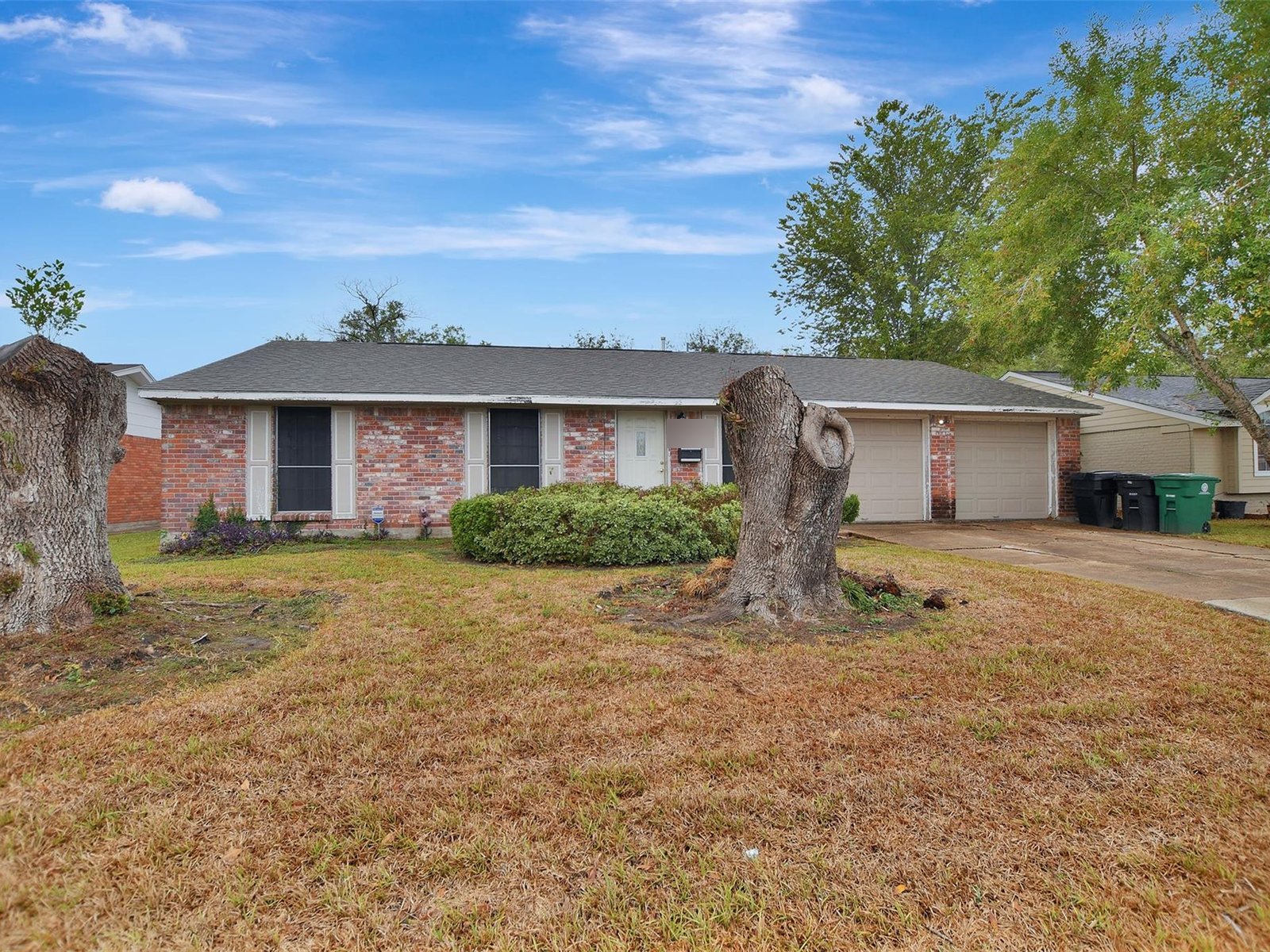
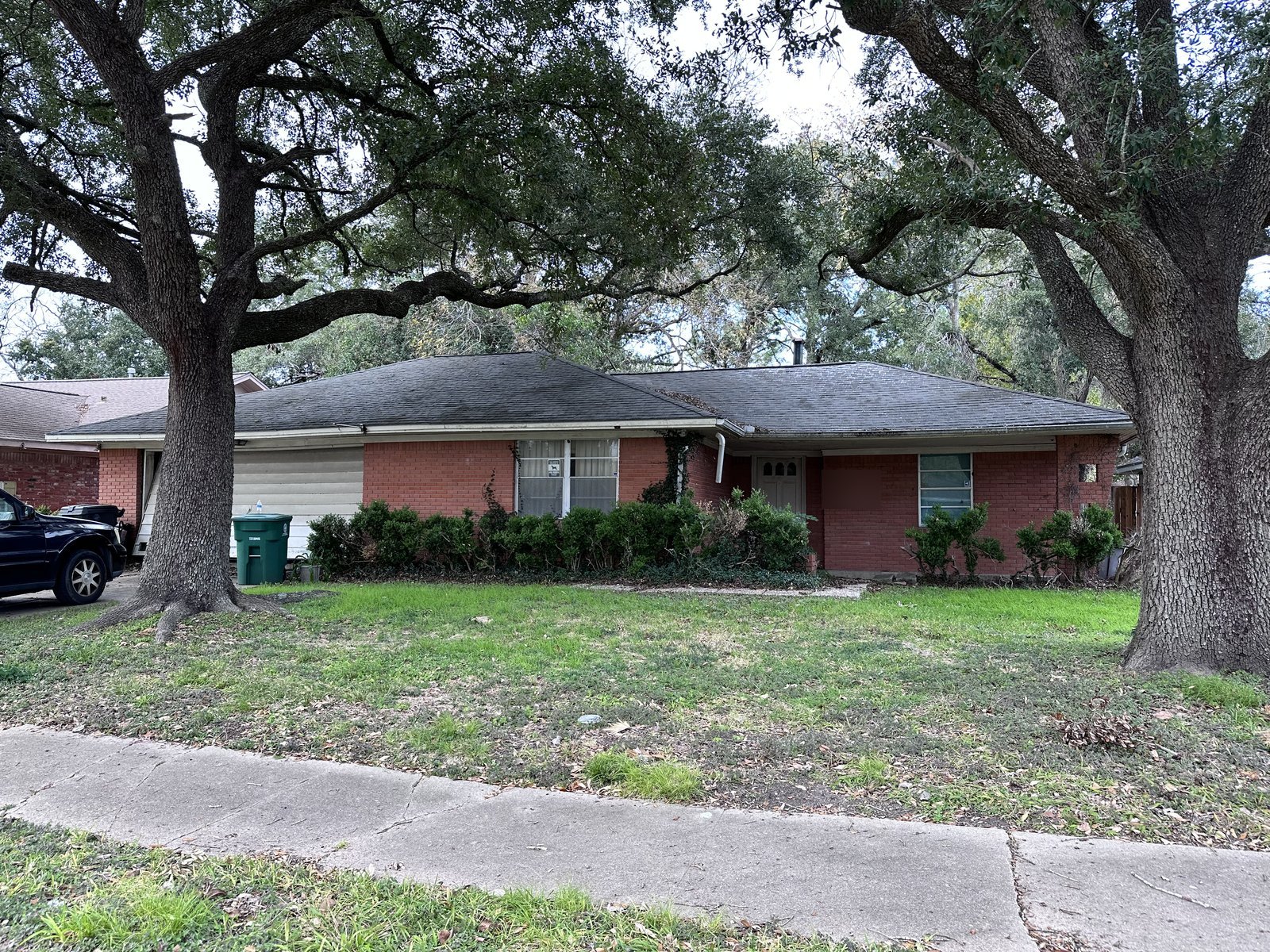
Jackwood St runs through Sharpstown, the master-planned southwest Houston community that helped define how this city grew, in ZIP code 77074. The owner of this brick ranch had been renting it out for years, and by the time he reached out, the property had stopped making sense as an investment. The foundation had moved, as mid-century Houston foundations reliably do, and the repair list that came with it had grown past what the rent could justify — a kitchen at the end of its life, a garage that had become a storage room for deferred projects, and bathrooms that hadn’t been updated in decades. He didn’t want to fund a structural repair, then a full renovation, then a re-lease. He wanted out. Volcan Property Buyers bought the house as-is for cash, foundation and all, and closed in 26 days.
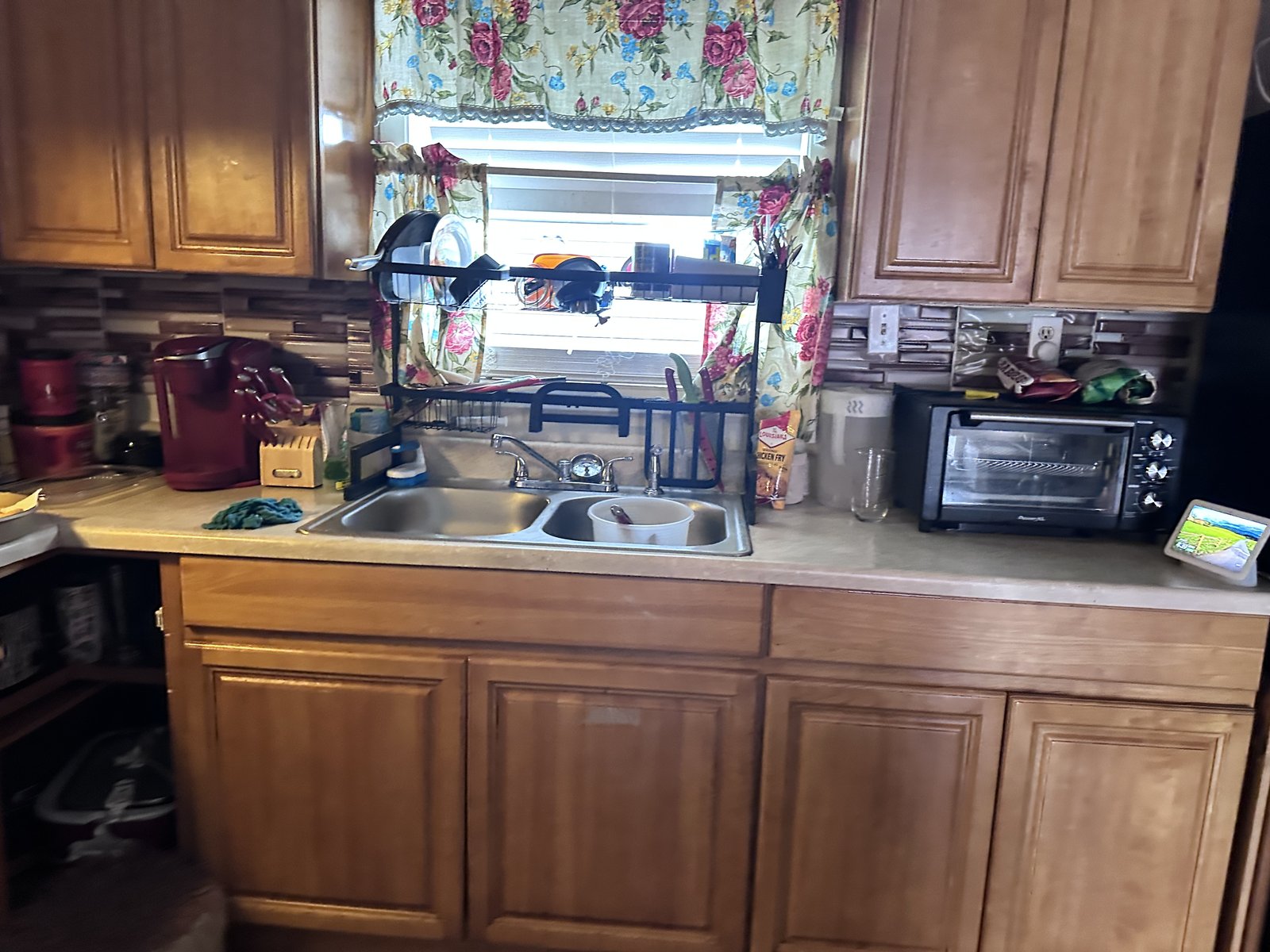
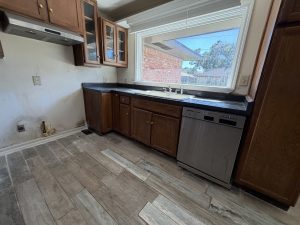
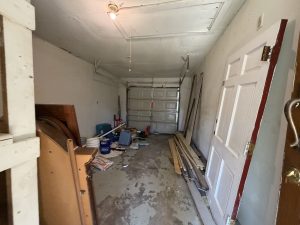
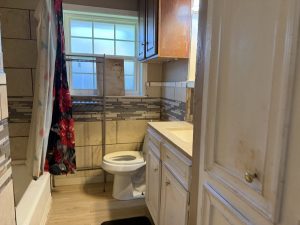
The house sat under a huge live oak that had clearly been there since the neighborhood was built — beautiful, and also part of the story, because mature trees pull enormous amounts of moisture out of Houston’s clay soil and are a frequent contributor to the foundation movement they shade. Inside, the kitchen still had its original wood cabinetry and dated appliances, the bathroom carried decades-old fixtures and tile, and the garage was full of the accumulated equipment of a landlord who had been fixing things himself for a long time.
Foundation movement is the single most reliable way to lose a financed buyer in Houston. The inspector flags it, the lender demands a structural engineer’s report, the report specifies corrective piers, and the seller is told to pay for the work before closing. On a rental the owner had already decided to exit, that’s an investment with no return. Beyond the foundation, the house needed essentially everything cosmetic and mechanical, and clearing the garage alone would have taken days. A traditional listing would have meant spending heavily, then competing against renovated homes, then surviving an inspection that would reopen the negotiation anyway.
We assessed the property honestly — solid structure, real foundation movement, full renovation needed — and made a cash offer that priced all of it into our side of the transaction. Nothing was asked of the owner: no engineer’s report, no piers, no clearing the garage, no cleaning. Because we bought with cash, there was no lender to satisfy and no inspection contingency to renegotiate. The title company completed its work and the sale funded 26 days after our first conversation, with no commissions or fees taken from his proceeds.
Sharpstown holds a genuine place in American suburban history. Dedicated in March 1955 by developer Frank Sharp, it was the first master-planned, automobile-oriented community in Houston and among the first in the country — laid out with its own schools, shopping, and recreation from the start. Sharp donated a 300-foot-wide strip of land through the development to the State of Texas so the Southwest Freeway could be built, which is why US 59/Interstate 69 runs straight through the neighborhood and why Sharpstown had a direct connection to downtown before most Houston suburbs existed. He also built Sharpstown Center, Houston’s first air-conditioned enclosed shopping mall, now PlazAmericas. The housing is classic mid-1950s and 1960s ranch — brick single-stories on wide lots under mature oaks in ZIP code 77074. When oil prices collapsed in the 1980s the area’s white-collar population gave way to a remarkable wave of immigration from Latin America and Southeast Asia, and Sharpstown became one of the most internationally diverse neighborhoods in Texas. Its central location, between the Galleria, the Medical Center, and Westchase, keeps demand steady even though much of the housing stock is now seventy years old.
Every landlord eventually faces the same arithmetic, and the honest version of it is rarely discussed.
A mid-century Houston rental generates a fairly predictable monthly rent. Against that sit property taxes — high in Harris County — insurance, maintenance, vacancy periods, and turnover costs. In the early years, when the roof is newer and the systems are middle-aged, the numbers work comfortably. But houses have a repair curve, and it steepens. Somewhere around the fifty- or sixty-year mark, the original systems all reach the end of their lives at roughly the same time: the cast-iron drains, the electrical panel, the HVAC, the roof, and — in Houston especially — the foundation.
Foundation work is the item that most often triggers the decision to sell. Corrective piering on a modest Houston home commonly runs $10,000 to $30,000 depending on the number of piers required, and it doesn’t improve the rent by a dollar. It simply restores the house to sellable, financeable condition. Add a kitchen, flooring, paint, and mechanical updates to make it lease-competitive, and a landlord can easily be looking at spending more than a year’s gross rent before collecting the next check.
There’s also an opportunity-cost question that owners often overlook. Equity sitting in a fully-depreciated rental that needs $50,000 of work is equity doing very little. Many landlords find that converting it to cash — even at a discount to a fully-renovated retail price — puts them in a materially better position than continuing to feed the property.
The practical obstacle is that a house needing foundation and system work can’t be sold conventionally without doing the work first. Lenders won’t finance it and insurers won’t cover it. That’s precisely the gap direct cash buyers fill: we price the repairs into the offer, buy it in whatever condition it’s in, and handle the rehabilitation ourselves.
Volcan Property Buyers buys tired rentals throughout southwest Houston — Sharpstown, Robindell, Westbury, Brays Oaks and beyond — with foundation movement, deferred maintenance, and tenants in place. If the repair list on your rental has outgrown the rent, request a no-obligation cash offer and see what stopping looks like.
Southwest Houston is a market we buy in year-round. We've closed and funded purchases in
Sharpstown, Westbury, Braeburn Glen, Robindell, Meyerland, Brays Oaks, Southglen, Quail
Bridge, Central Southwest and Mission Bend, and down the coast in Clute.
As local cash buyers, we purchase Southwest Houston homes as-is: no repairs, no
cleaning, no fees, and no waiting on bank financing, with most closings done in a matter
of days. Flood history, dated finishes and tenants in place are all things we work
around rather than deduct for at the last minute.
If you own a home anywhere in Southwest Houston and want certainty on the closing date,
we're happy to make you a free, no-obligation cash offer.
Or call us now :