We’re Here 24/7 — Speak With a Live Houston Agent Anytime:  346-360-4444

We’re Here 24/7 — Speak With a Live Houston Agent Anytime: 346-360-4444
Southeast Houston, TX
Distressed Property
20 Days
Open Ceiling Water Damage
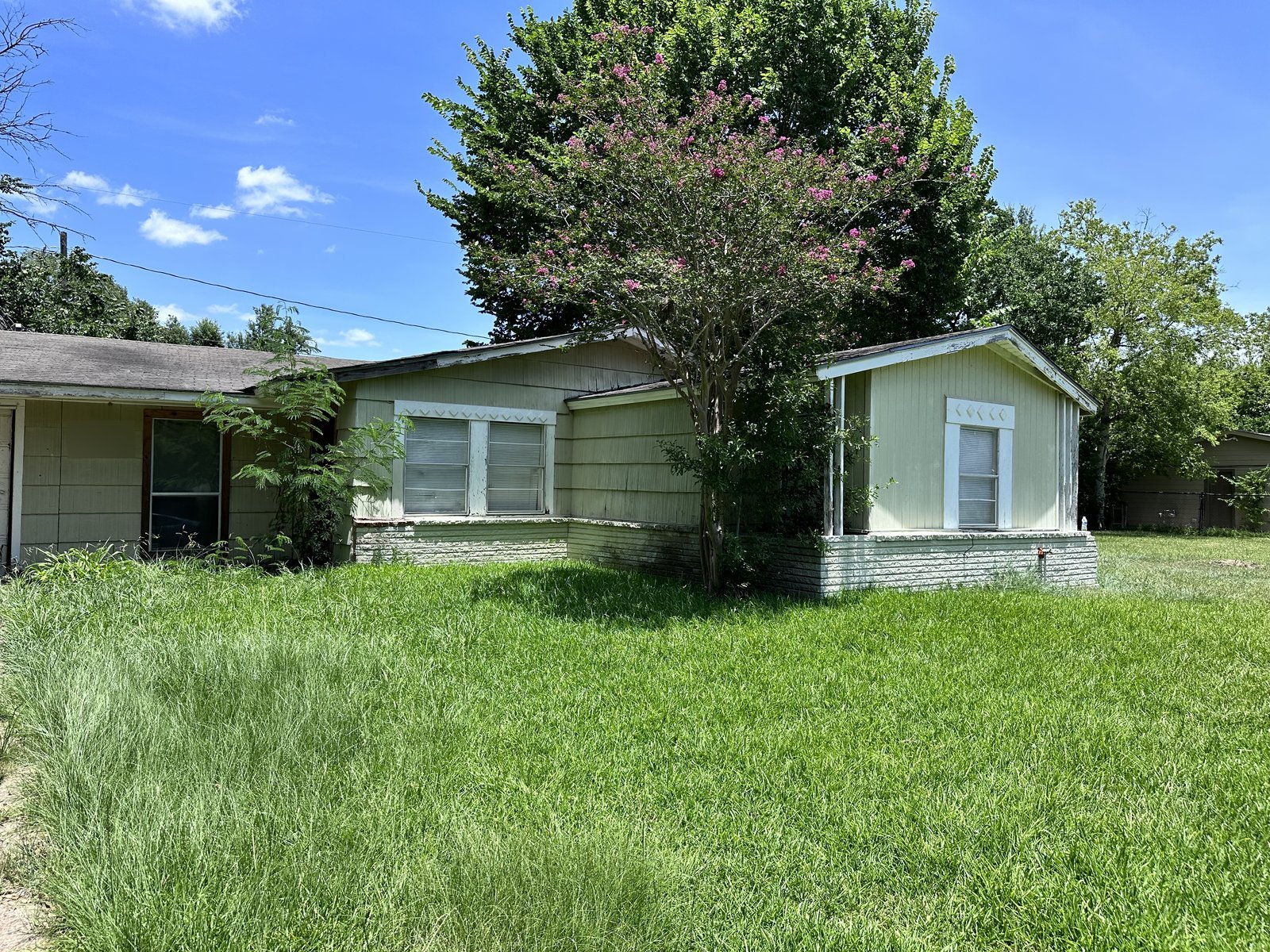
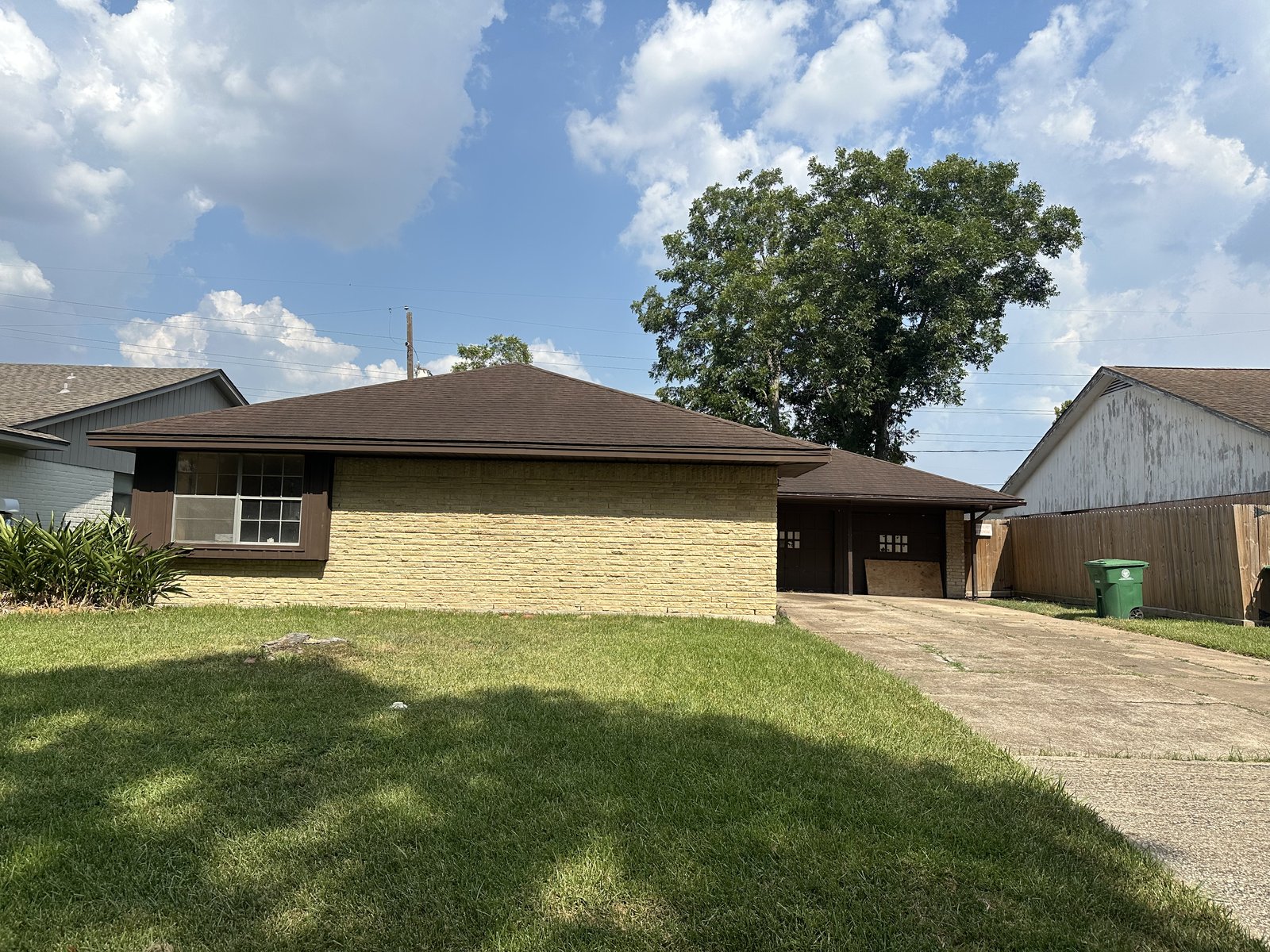
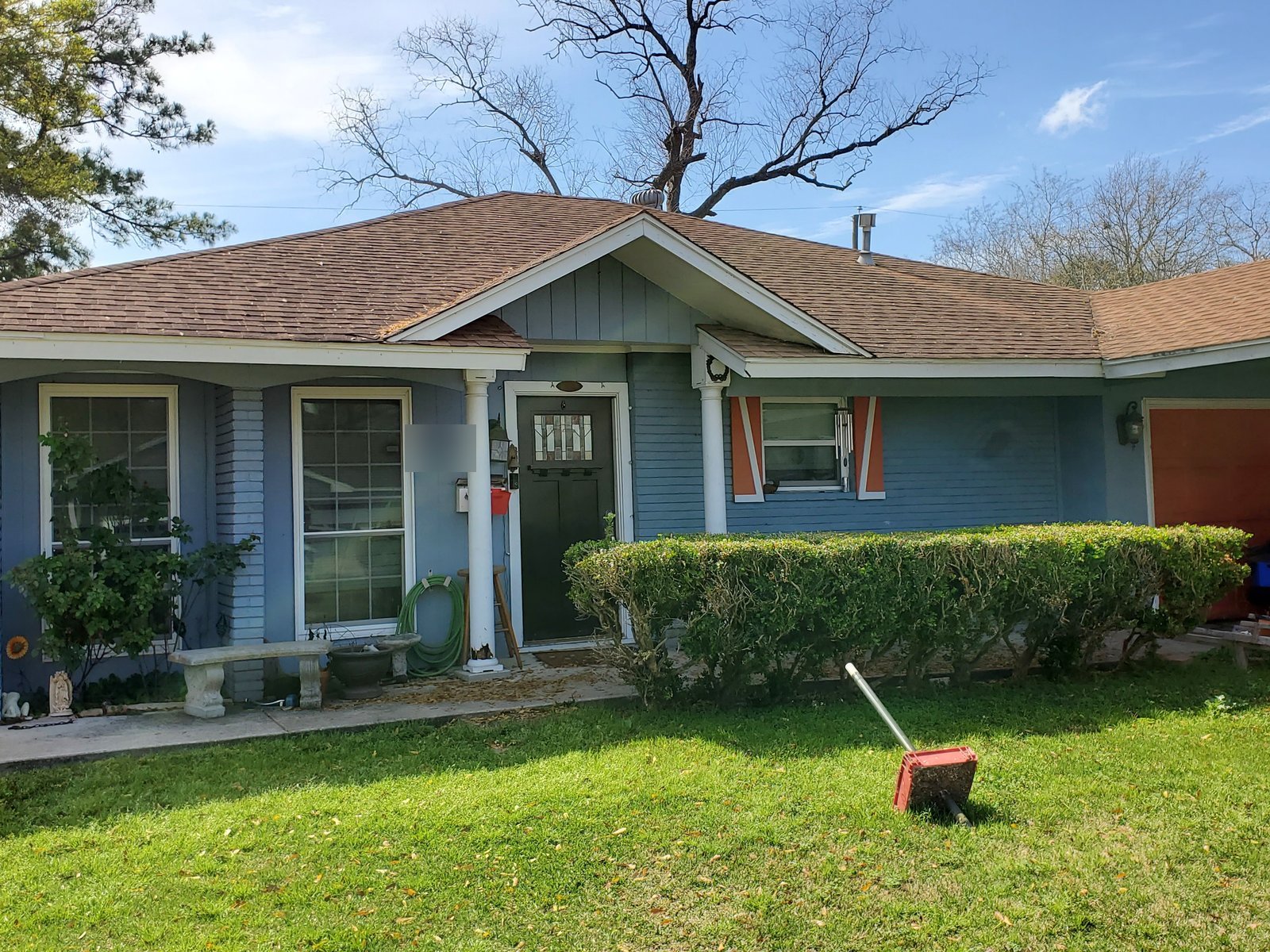
Reed Road is one of South Park’s main east-west corridors, running through the heart of this 1950s southeast Houston neighborhood in ZIP code 77033. The owner of this brick rental had been carrying it for years, and the house had finally reached the point where the repair list outgrew the rent roll. Water had been finding its way in for a long time — long enough that ceilings in more than one room had opened up, with drywall gone and joists exposed overhead. Around the property, years of accumulated equipment, scrap, and stored materials filled the side and back yards. Fixing all of it meant a serious construction project, and the owner had already decided they were done being a landlord. They sold the house exactly as it stood to Volcan Property Buyers, cash home buyers in Houston, and closed in 20 days.
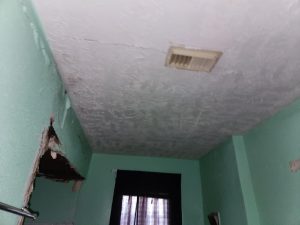
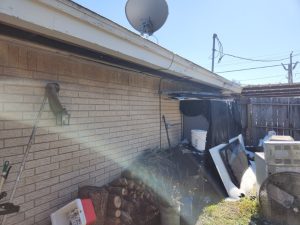
The damage told a clear story. In one room, a section of ceiling had been removed entirely, leaving bare rafters and the underside of the roof deck visible above patched, half-painted walls. In another, dark staining spread across the ceiling toward an air vent, with drywall crumbling away where a wall met the ceiling line. Outside, along the side of the house, gear and salvage had piled up against the wall over the years, and the yard held everything from stacked firewood to old appliances.
Open ceilings and visible water staining shut down a conventional sale immediately. A buyer’s inspector will flag active or historic water intrusion, and lenders won’t finance a house with unresolved damage of this kind. Even before that, insurance becomes a problem — carriers hesitate on properties with existing water damage, and without a policy there’s no mortgage. Repairing it properly meant locating and fixing the source, replacing the damaged framing and drywall, testing for and remediating any mold, then repainting — plus clearing years of accumulated material from the yards before anyone could photograph the property. That’s a five-figure project on a house the owner no longer wanted.
We looked at the property, priced the repairs into our offer, and asked for nothing from the seller — no ceiling repairs, no mold testing, no yard cleanup, no hauling. Because the purchase was cash, there was no lender requiring an insurance policy and no inspection contingency to renegotiate. The title company handled its work and the sale funded 20 days after the first call. The owner ended a long landlording run without spending another dollar on the house, and paid no commissions or closing fees.
Reed Road is one of the principal streets running through South Park, connecting Martin Luther King Jr. Boulevard on the west toward Mykawa Road and the rail corridors on the east. Where the neighborhood’s interior residential streets carry World War II battle names, Reed Road functions as a mixed corridor — homes alongside churches, small businesses, and neighborhood commercial buildings, a pattern that developed as the area matured through the 1960s and beyond. The housing along and just off Reed is characteristic of South Park’s 1950s build-out: single-story brick and frame homes on flat lots, sturdy in construction but now seventy years into their service life. Loop 610 sits just north, Sims Bayou to the south, and the whole area lies roughly eight miles from Downtown Houston with the University of Houston and Texas Southern University campuses a short drive northwest. It’s a neighborhood where a large share of the housing has been rental for decades, which means many of these homes have absorbed long stretches of deferred maintenance — a familiar pattern for anyone buying or selling in 77033.
Houston’s climate is uniquely hostile to houses. Between roughly 50 inches of annual rainfall, sustained humidity, hurricane season, and the plumbing failures common in aging housing stock, water intrusion is one of the most frequent serious problems local homeowners face — and one of the most consequential when it’s time to sell.
The damage arrives from several directions. Roof leaks work down through attic insulation into ceilings. Failing supply lines and drain pipes — particularly the original cast iron and galvanized plumbing in mid-century homes — leak inside walls and under slabs. Air-conditioning condensate lines back up and overflow into ceilings, a very common Houston cause. And flooding, whether from a storm event or poor drainage, saturates from the ground up.
What makes water damage especially difficult for sellers is that it rarely stays a single problem. In Houston’s humidity, mold can begin establishing within 24 to 48 hours of saturation, so a leak that ran for months almost always means remediation as well as repair. Prolonged moisture weakens framing and ceiling joists. And because the source is often hidden, buyers and their inspectors assume the worst about what they can’t see.
The financial chain reaction follows the same path as other major defects. The inspection documents the damage; the lender requires repair before funding; the insurance carrier declines to write a policy on a home with active or unremediated water damage; the financed sale dies. Texas law also requires sellers to disclose known water damage, flooding, and mold on the Seller’s Disclosure Notice, so it isn’t something that can simply be painted over — nor should it be.
Repair costs vary enormously. A contained ceiling repair might be a couple of thousand dollars; extensive damage with professional mold remediation, framing replacement, and refinishing routinely runs $10,000 to $30,000 or more. Sellers who have already decided to move on rarely want to fund that.
Selling as-is to a cash buyer removes the entire sequence. There’s no lender, no insurance requirement, no inspection-based renegotiation, and no repair to complete first. We handle remediation and rebuild as part of what we do. Volcan Property Buyers buys water-damaged, mold-affected, and storm-damaged houses across Houston — South Park, Sunnyside, Edgebrook, Golfcrest and beyond. If water has gotten into your property and you’re not prepared to fix it, request a no-obligation cash offer and let it be someone else’s project.
Southeast Houston is our single busiest market. We've closed and funded purchases across
South Park, Sunnyside, Brookhaven, Crestmont, Golfcrest, MacGregor Terrace, Edgewood,
Edgebrook, Sagemont, Southbelt, Southcrest, South Acres and Bellfort, and out to Deer
Park and Hitchcock — inherited homes, long-held rentals, vacant houses and flood-damaged
property.
As local cash buyers, we purchase Southeast Houston homes as-is: no repairs, no
cleaning, no fees, and no waiting on bank financing, with most closings done in a matter
of days. Families settling an estate and landlords winding down a rental are two of the
sellers we work with most often here.
If you own a house anywhere in Southeast Houston, we're happy to make you a free,
no-obligation cash offer.
Or call us now :